Johnny Nguyen — Editor, Purely Dicta
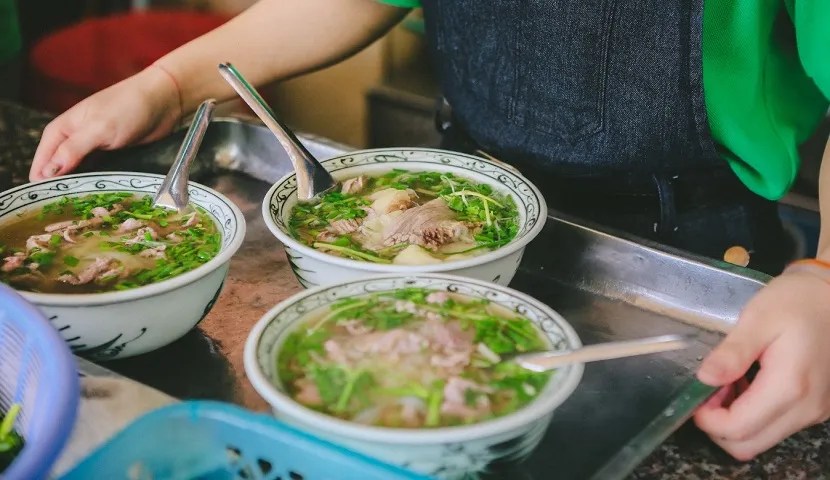
Vietnam’s national dish – phở – embodies the quiet resistance of a nation that maintained pride in its identity and carved out its own sense of belonging, even under military occupation. In their aristocratic-like tendencies, the French colonists would feast hungrily on the finer cuts of beefsteak, leaving behind scraps of bone and undesirable meat, like tendon. The locals used these scraps to stew a flavourful broth that united families and communities, warming their hearts and stomachs. In this way, phở tempers the excess of the West with the necessity of the East. To me, it represents how refugee identity and belonging can emerge from negotiation between what one is assigned, and what one learns to love.
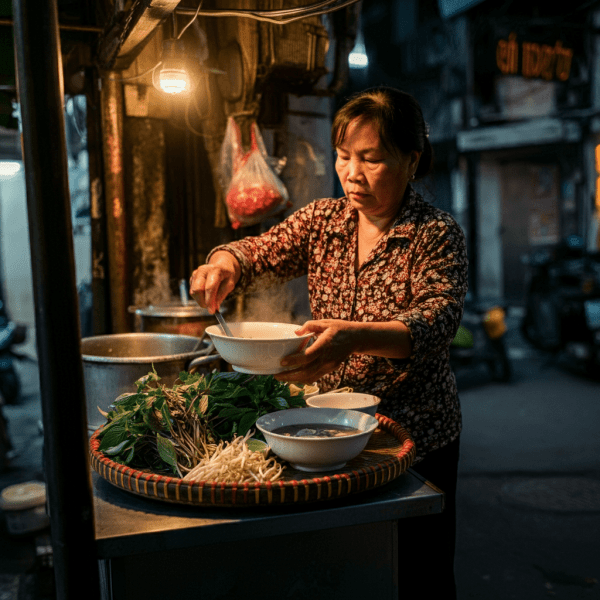
When I told Dad about my acceptance into law school, he offered me a definition of belonging that stood in stark contrast to phở’s warmth. His definition was elitist, cold, and exclusionary. I have never forgotten these words: “You can be anything you want, Johnny. Why law, not medicine? You are not white. You will never belong.”
Every kid wants to make their dad proud. At that moment, I felt insulted and betrayed by my father’s words. I was a scholarship recipient, a First Class Honours student fluent in three languages. But that didn’t matter. To Dad, belonging does not care about merit; it only cares about appearances.
Trawling through literature, one suggestion raised was that belonging emerges when we alter ourselves and work even harder to gain acceptance. I disagree with this definition. If we must alter ourselves to belong, we may be accepted, but we simultaneously lose the very essence of our identity.

Instead, the resilience of the Vietnamese people teaches me that true belonging is forged through the courage to rekindle community cohesion from the discarded fragments of a shattered identity.
I was struck by Eddie Cubillo’s determination to demand respect and belonging within bureaucratic institutions like universities. His reflections reminded me that even in places where we have the credentials to technically belong, we can still be made to feel unwelcome. Eddie taught me that in these situations, rather than retreating into silence, as Dad had suggested, we must find the courage to stand firm and assert our right to belong, even in spaces that were never meant to be ours.

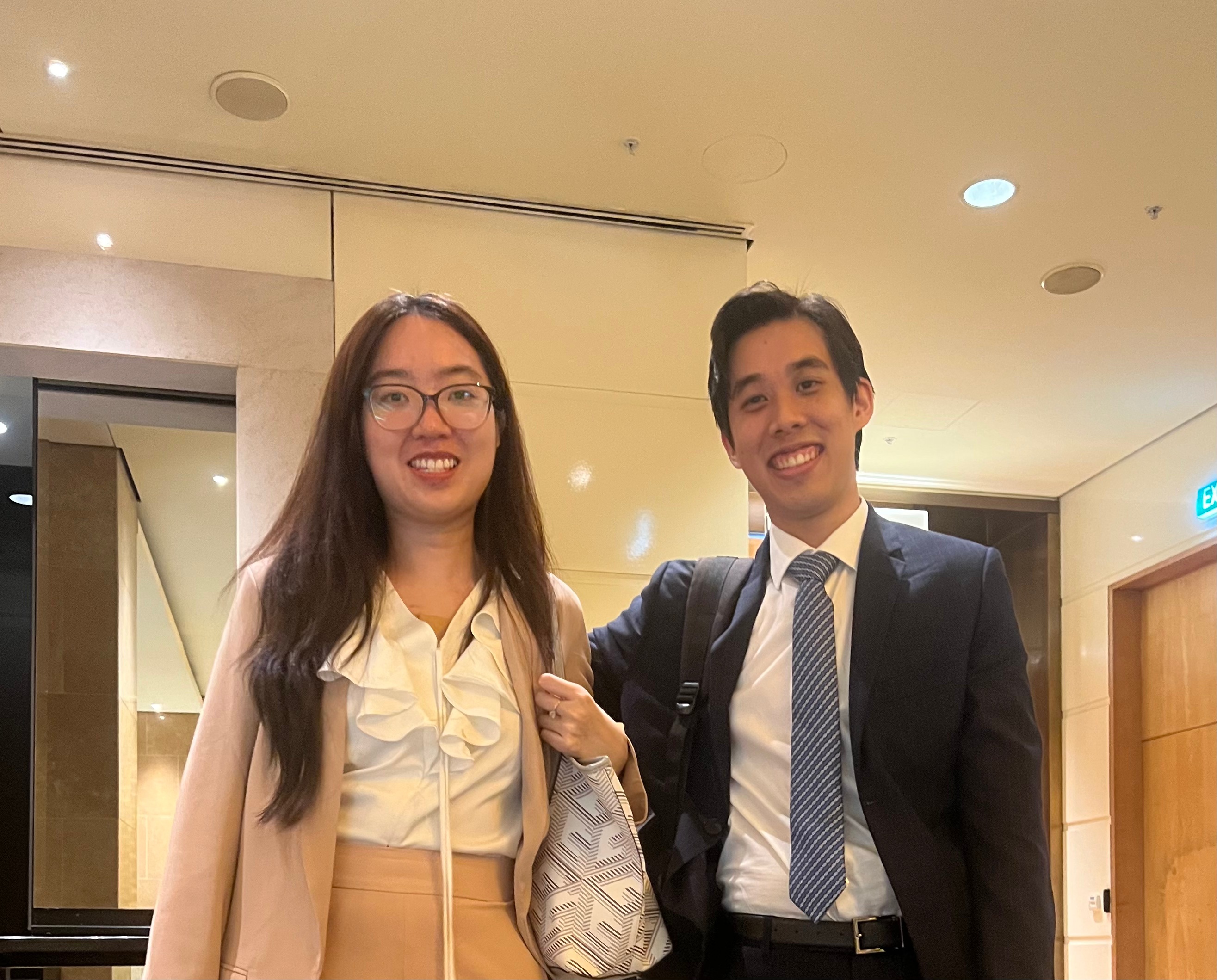
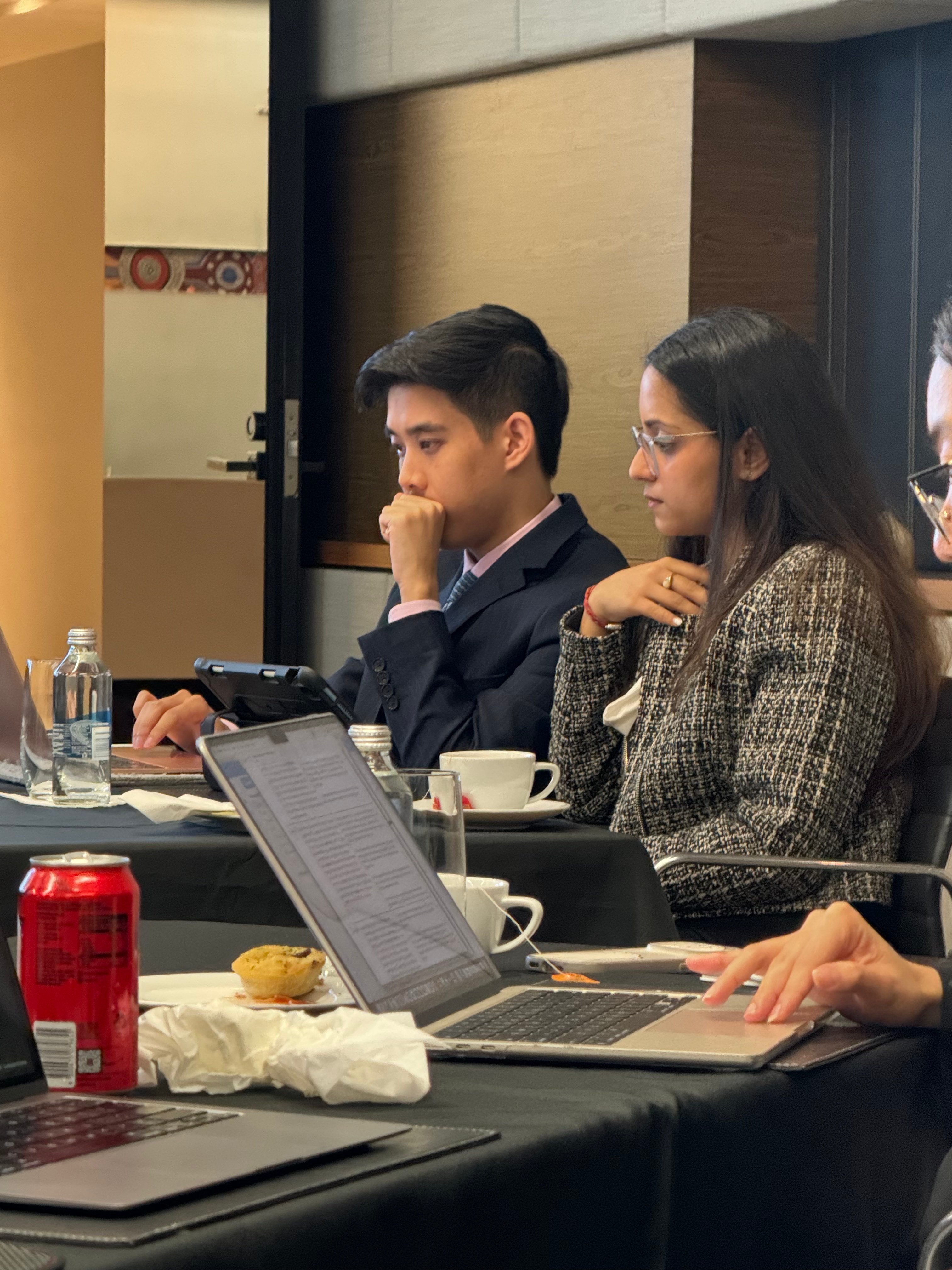


I realise now that belonging has nothing to do with how you look, and everything to do with how you are made to feel. Alex, Keely, and Jaime always save me a seat in class, as if that space was always mine. Nandiinii and Judy trust me with their ambitions, partnering with me for the fierce battleground of law school competitions. Joe, 2023 Editor of Purely Dicta, nudges me to keep writing, even when imposter syndrome insists I have merely dressed emptiness in pretty words. These dear friends remind me that I have always had a place; that I have always belonged.
Perhaps we should conceptualise belonging like a jigsaw puzzle: imperfect and awkward at first, a mismatch mess of jagged edges and unsure fits. But once we find our little corner, everything else slowly falls into place.

When Dad implied that I would never belong within the legal profession, I think he was trying to warn me that the “table” of law was not built for people who looked like me. In retrospect, I think his words represented a quiet hope for his son to stay in places that were familiar. Places that were safe. Even after more than 35 years in Australia, I am sure he sometimes still feels like a stranger in a faraway land he was told to call home.

My response now to Dad’s statement is this: “Papa, if there is no seat for me at the metaphorical table of law, I will bring one. And if there’s no table where I feel welcome, I will craft my own.
A table where everyone can belong, just as they are.
One where we can all sit around and enjoy a nourishing bowl of phở.”
 purelydicta.com
Leave a comment