
By Jaime Minogue
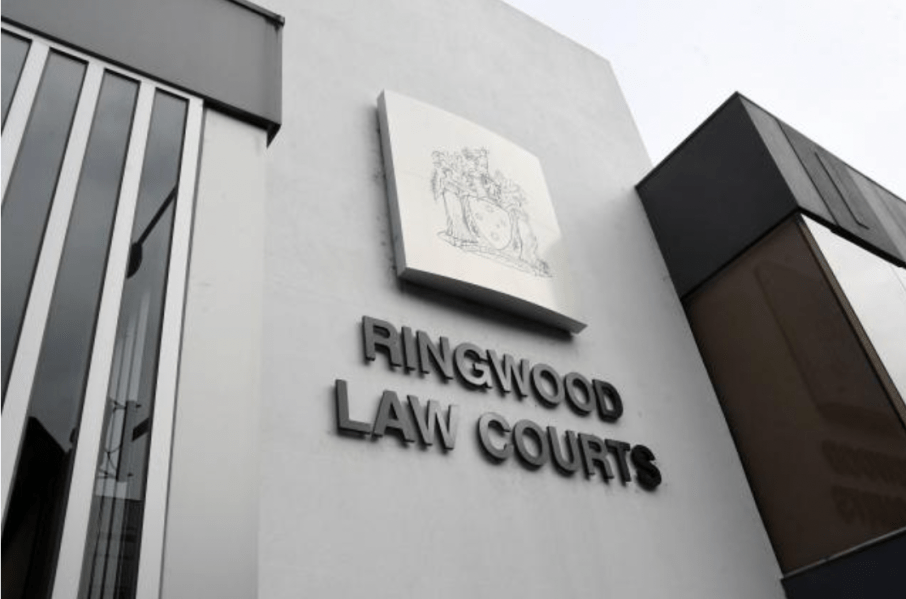
At the beginning of February of this year, I had the invaluable opportunity to complete student placement at the Victoria Legal Aid Ringwood offices. This experience quickly became one of the most formative and eye-opening highlights of my journey in law school. I scored the gig through a simple outreach with one of their employees (and a friend of a friend, so when they say it’s who you know, it really is who you know), which fostered into a deeply impactful experience that changed the way I consider the legal profession, and the broader justice system. The program comprised of a 12 week program, learning and observing under a criminal lawyer, which included days at court through a duty lawyer service, as well as services for clients on file. From the outset, VLA’s eagerness to engage with students like me stood out more than anything. Even when I felt I was a burden, following everyone around like an eager puppy, the team was incredibly grateful for the initiative and welcomed my enthusiasm with generosity. This immediate sense of encouragement affirmed that this was going to be much more than an observational role, but an opportunity to immerse myself in the realities of legal practice at ground level.
Immersion in Real-World Legal Work
One of the surprising yet valuable aspects of my time at VLA was the chance to access and break down police briefs and case documents. These documents, which detail the evidence and background of criminal matters, were fascinating and sobering. I was bright eyed, and had never dealt with such documents nor completed the criminal law subject. The briefs provided unfiltered insight into the criminal system, from allegations of minor offences to more serious. As a student, it was a unique opportunity to engage with this type of material and to understand how these briefs form the foundation of a case.
Being involved in client meetings was another profound experience, especially in a duty lawyer aspect. VLA, especially in the criminal sphere, represents and helps people in at-risk situations, who are considered of low socioeconomic means, and cannot afford the weight of legal fees without this crucial help. Those duty lawyers sessions were not easy and definitely intense, sometimes confronting, and always enormously vulnerable. Most clients were facing incredibly difficult circumstances, and the lawyers’ ability to engage with them empathetically while remaining focused on the legal issues at hand is something I greatly admire. It speaks to the delicate balance lawyers at VLA must maintain every day in providing rigorous, imperative legal advice and also serving as a steady source of support.
Meeting the Team
It would be an understatement to say the team at VLA left a lasting impression. The lawyers I met were some of the most hardworking professionals I have ever encountered, and a tight knit group of colleagues who were a steady unit. It was beyond clear to me that they are stretched thin, bearing enormous caseloads with considerably limited resources. Yet, despite being overworked, they carry their responsibilities with remarkable composure and professionalism. Their ability to show up day after day, advocating fiercely for clients who often have no one else, was inspiring. I would walk away from a day of merely observing and be tired, so you could only imagine.
Equally striking was the support within the office. No one worked in isolation, regardless of being a lawyer or an assistant or office administrators. There was always solidarity. Whether it was sharing knowledge, offering practical help, or simply providing encouragement, the environment was collaborative and supportive. This is even more true for the team of lawyers who were on duty at the courthouse, who had to navigate a multitude of barriers and messy days. They moved effortlessly between sometimes dozens of clients, cases, and appearances. Their ability to think on their feet, maintain decorum under pressure, and deliver effective advocacy in fast-paced environments was nothing short of extraordinary. As someone entering the legal atmosphere, it was heartening to see that such demanding and taxing work could still be sustained by teamwork and taking genuine care for one another.
A System Under Strain
As incredible as the lawyers and staff at VLA were, it became impossible to ignore the disturbing reality. The current system does not provide them with the resources they need. I saw firsthand how being underfunded limits their ability to meet the increasingly overwhelming demand. These are lawyers working on the frontlines, at ground zero of the justice system, and they do so with budgets and staffing levels which barely scratch the surface of what is required. Especially in the criminal sector, they manage caseloads often with time constraints, which is discouraging given the sensitive and personal content. It really captivated me that no amount of dedication or personal sacrifice can fully compensate for this systemic underfunding. While the lawyers at VLA wake up and tirelessly advocate for people every day, the sustainability of such a model is disputable. If we truly value access to justice, then why is funding organisations like VLA optional, and often not the priority?
Lessons Learned
My time at VLA left me with many lessons and thoughts. I learned that legal practice is not only about statutes and procedures, but about people. Behind every file, brief, and case is a story, often one riddled with hardship and resilience. I was also reminded that the law is not practiced in a vacuum: it exists in a system that reflects broader societal challenges, from family violence to mental health to inequality. VLA is a tool to even out the playing field for people that the system is built against. Most importantly, I have come to appreciate the courage and commitment it takes to work in public legal service. It is by no means glamorous work, and is certainly not easy, but it is vital. The lawyers at VLA embody the very essence of why many of us study law in the first place, to make a difference where it matters most.
Practical experience like placement at VLA should be mandatory for all law students and future lawyers, regardless of their chosen area of specialisation. Exposure to real-world legal practice peels away the abstraction of statutes and textbooks, instead grounding the law in lived human realities. In engaging with vulnerable clients, synthesising case briefs, and observing how lawyers navigate overburdened systems, students gain a cognizance that cannot be replicated in a lecture hall. This kind of immersion builds empathy, adaptability, and an appreciation for the systemic challenges in the justice system. Even students who go on to specialise in corporate or commercial law should have an understanding of how law functions at its most essential level: as an apparatus for protecting rights and pursuing justice. Making such placements a core requirement would not only produce more competent lawyers, but also foster a profession attuned to its ethical capabilities.
Concluding Thoughts
In reflecting on my time at VLA, I feel immense gratitude. Grateful for the lawyers who welcomed me into their space, for the chance to witness them and the system in action, and for the lessons that will carry with me long into my career. Every single one of my questions were answered, and I can confidently say every lawyer I came into contact with went above and beyond for their client. It was an experience that exposed me to the possibilities and the challenges of legal practice, and reaffirmed my commitment to pursuing a career that contributes meaningfully to the lives of others. If there is one takeaway from my time at VLA, it’s that access to justice should not be a luxury, but a necessity. Unless we support and fund the organisations that provide it, we risk failing the people who need it most.
 Purely Dicta
Leave a comment